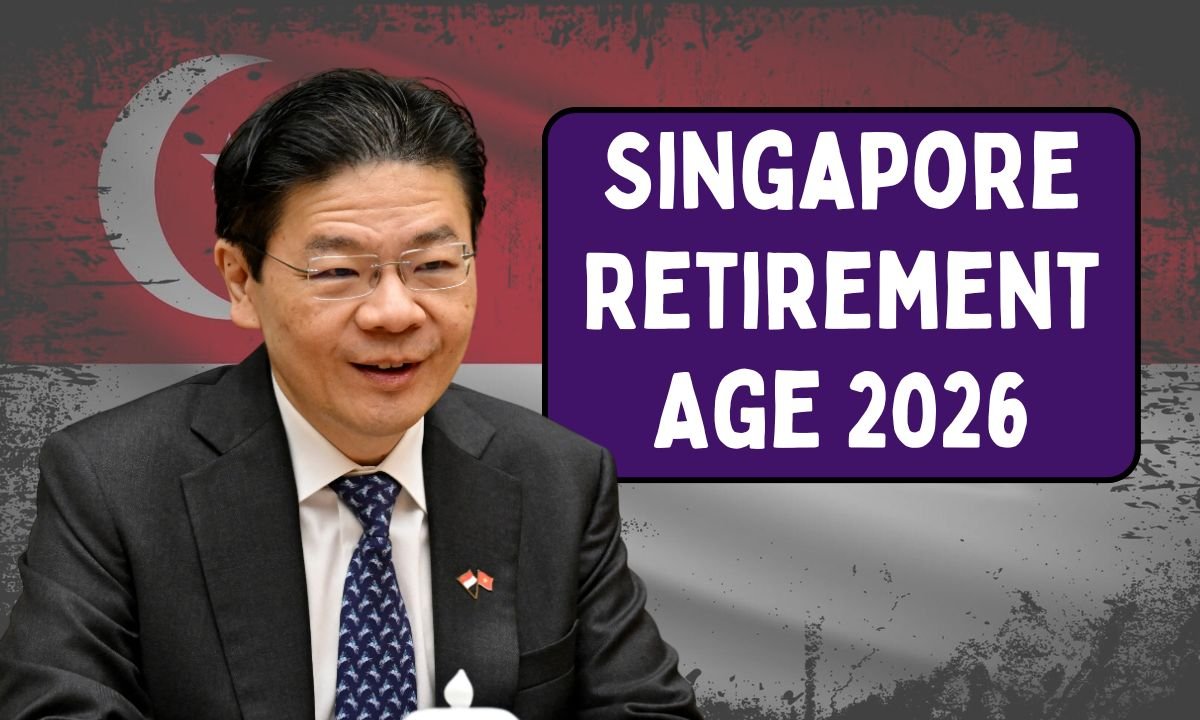
If you’re in your 50s or early 60s, here’s a question worth asking: what would one extra year of work really change? In Singapore, the answer is quite a lot. From 2026, the statutory retirement age will rise to 64, while the re-employment age moves up to 69. On paper, it looks like a small shift. In real life, it can reshape retirement plans, savings, and even peace of mind.
I’ve spoken to many older workers who worry less about “stopping work” and more about “running out of money.” This policy is meant to address exactly that fear.
What Is Changing Under Singapore Retirement Age 2026?
The update is part of a long-term plan that responds to a simple reality: people are living longer and staying healthier. Instead of pushing capable seniors out of the workforce, the government is extending legal protection for continued employment.
Here’s what the new framework looks like.
| Feature | Current (2025) | From 2026 | What It Means for You |
|---|---|---|---|
| Statutory retirement age | 63 | 64 | One more year of protected employment |
| Re-employment age | 68 | 69 | Extra year to keep earning income |
| CPF contributions | Up to age 68 | Up to age 69 | Higher retirement savings |
Why the Retirement Age Is Going Up
Here’s the thing. Retirement isn’t just about stopping work. It’s about whether your savings can last 20 or even 30 years. By extending working life, Singapore is giving people more time to build CPF savings while staying active.
Think about it this way. One additional year of salary doesn’t just add income. It boosts CPF balances, increases CPF LIFE payouts, and reduces the years you need to stretch your savings. That combination can be powerful.
How This Affects Employees on the Ground
For workers, Singapore retirement age 2026 brings more security. Employers must offer re-employment opportunities up to age 69, as long as the employee meets reasonable performance and health requirements.

That means:
- You can keep earning instead of dipping into savings early
- You stay financially independent for longer
- You have stronger bargaining power when planning phased retirement
Many seniors don’t want to work full-time forever. This policy allows flexibility, whether that means reduced hours or different roles.
CPF Savings Get a Quiet but Big Boost
This is where the real long-term benefit shows up. With CPF contributions continuing for another year, retirement balances grow meaningfully. Even modest wages can translate into better monthly payouts under CPF LIFE.
Over time, this helps retirees handle daily costs, medical expenses, and rising prices without constant stress.
Why This Matters Beyond Money
The Singapore retirement age 2026 change isn’t just about dollars. It’s about dignity. Older workers remain valued, experienced contributors instead of being sidelined. Society benefits from their skills, and seniors benefit from purpose and connection.
That balance matters in an ageing country.

Frequently Asked Questions
When does the new retirement age start in Singapore?
The updated retirement rules take effect from 2026. From that year onward, the statutory retirement age becomes 64, and employers must offer re-employment up to age 69, provided eligibility conditions are met.
Does this mean everyone must work until 69?
No. The policy gives the option to continue working, not an obligation. Employees can still choose to retire earlier based on personal health, finances, and preferences.
How does this affect CPF LIFE payouts?
Working an extra year increases CPF contributions, which raises your retirement account balance. This usually leads to higher CPF LIFE monthly payouts, offering better long-term income security.